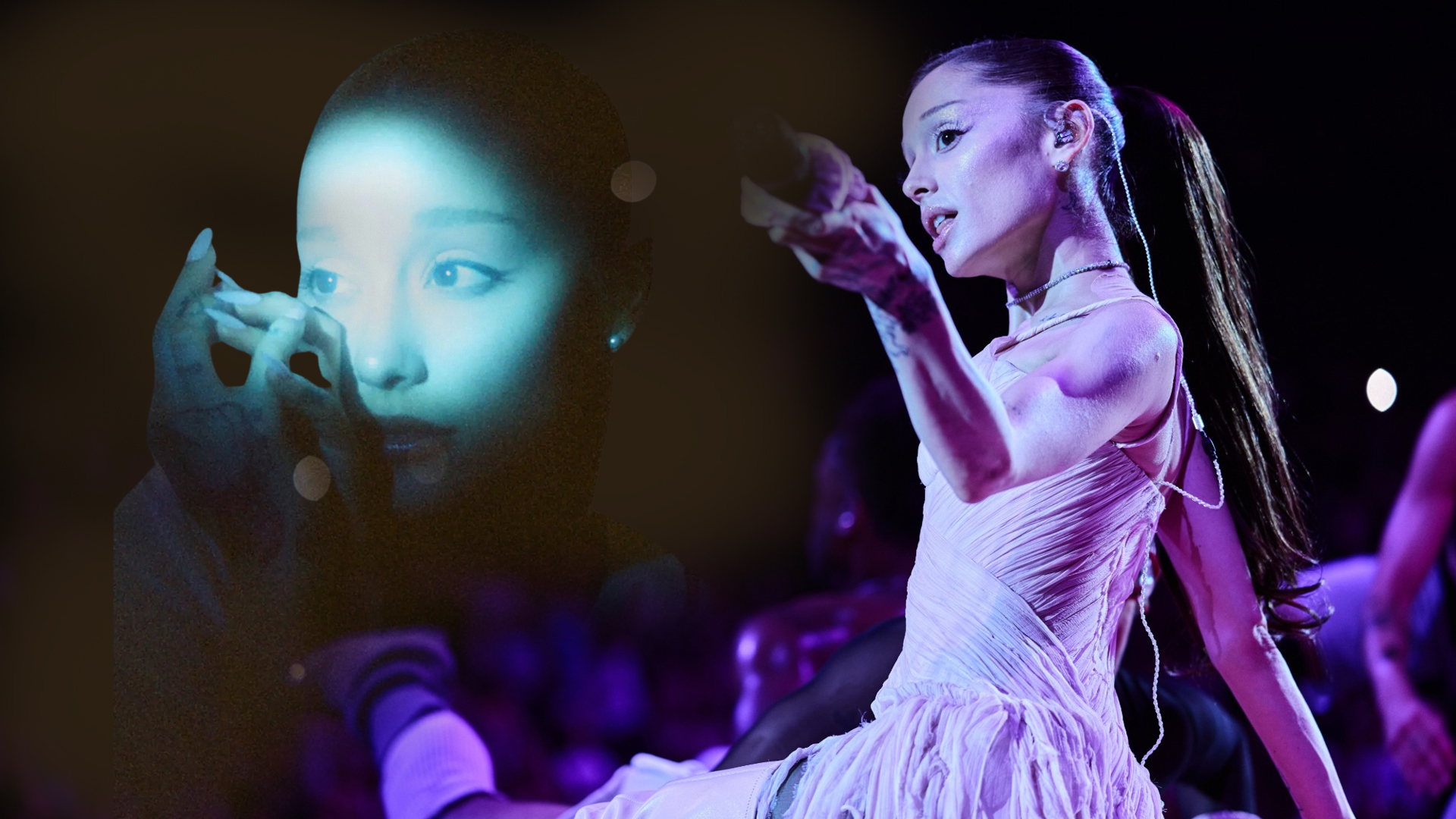
Before VIBESYNCED was a color, a beat, or a single line of code, it was a question sparked by one artist: Pharrell Williams. Pharrell has spoken publicly for years about having chromesthesia, a neurological condition where sound involuntarily produces a sensation of color. He doesn't just hear a chord, he sees it. That single fact, once I sat with it, was hard to let go of. One of the most influential songwriters and producers of the 2010s was building hits with his superpower. That felt worth building something around.
What is chromesthesia?
Chromesthesia is a form of synesthesia, a condition where stimulating one sense involuntarily triggers a response in another. In Pharrell's case, and in the case of other well-documented synesthetes, sound is the trigger and color is the response. A note, a chord, a whole song can arrive with a color attached to it, automatically, without any conscious effort.
It's rare, it's involuntary, and no two synesthetes report quite the same experience. What one person perceives as a warm gold, another might perceive as a cool blue. There's no universal color-to-sound key. What they share is the underlying wiring, senses that don't stay in their own lane.
A songwriter who could see his own music
What made Pharrell's case so compelling to me wasn't just that he has the condition, it's what he did with it. He's described using color as a kind of internal quality check while producing, a way of judging whether a song felt right that had nothing to do with charts or trends. That was Pharrell's superpower and why his music, from Neptunes-era production to his solo work, sounds and feels the way it does. Chromesthesia wasn't a footnote in his career, it was part of the instrument.
The idea for VIBESYNCED
Most of us don't have chromesthesia. We hear music the ordinary way, one sense at a time. But the idea of what Pharrell described stuck with me: what if a piece of software could hand anyone a version of that experience? Not a medically accurate recreation of synesthesia, that's not something a browser app can do, but a real-time, artistic translation of a song's energy into color and motion, so that listening becomes something you can also watch.
That's the whole premise of VIBESYNCED. Paste a YouTube link or drop in an MP3, and the app listens to the frequency content of your music as it plays, then renders it live as light, particles, and color. No two songs look the same, because no two songs sound the same.
VIBESYNCED's color choices aren't a literal reproduction of Pharrell's or anyone else's synesthesia. Real chromesthesia is personal and involuntary, and there's no single agreed-upon color for a bassline or a snare. The palette below was a deliberate design decision, built to feel intuitive and readable on screen, inspired by the concept rather than claiming to replicate it.
What VIBESYNCED can and can't be
It can't give anyone chromesthesia. It can't reproduce Pharrell's exact perception, or any other synesthete's. What it can do is take his description of a private, involuntary experience and turn it into something anyone can open in a browser, for free, and get a small taste of, a song rendered as color and motion instead of just sound.
That's the whole reason VIBESYNCED exists. Not to simulate a medical condition, but to borrow the idea behind it, that music has a visual dimension worth paying attention to, and create a new perspective for everyone else.
Load a track, watch the colors move, and see the frequencies for yourself.
Launch App